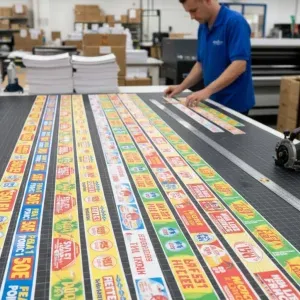
Large display figures are designed to stand out, not to be awkward to manage. Yet their size often creates unnecessary stress when it comes to transport and storage. Bent edges, scuffed prints and weakened bases are usually the result of poor handling rather than poor production. With the right systems in place, even the largest figures can be moved, stored and reused with minimal effort and risk.
The key is not strength or specialist equipment, but consistency. When figures are treated as reusable assets rather than disposable items, handling becomes more efficient and damage far less likely.
Every display figure has pressure points. Understanding how a figure is constructed makes handling far easier and safer. Most large figures consist of a rigid printed board with precision-cut edges and a detachable or slot-in base.
The main body is usually strong, but narrow areas such as arms, outlines and cut sections are vulnerable. Bases are also common failure points if weight is applied unevenly. Identifying these areas helps ensure the figure is lifted, carried and stored correctly.
Most damage occurs before transport even begins. A few minutes of preparation can prevent long-term issues.
Before moving any figure:
Clear labelling helps too, especially when multiple items are being moved. Simple notes such as “Flat Transport” or “Fragile Edges” reduce the chance of mishandling.
Not all transport is equal. Short-distance movement within a venue requires a different approach to long journeys between locations.
For most large cardboard cutouts, flat transport is the safest option. Lying figures flat spreads pressure evenly and reduces the chance of bending. Vehicles with clean, flat loading areas are ideal.
If figures must be transported upright:
Avoid placing heavy items on top of display figures at all times.
The highest risk moments are setup and breakdown. Rushed handling is responsible for most visible damage.
Best practice includes:
Breaking down should follow the same steps in reverse. Removing bases first reduces leverage stress and makes the figure easier to wrap and carry.
Where figures are stored matters as much as how they are stored. Heat, moisture and sunlight all shorten lifespan.
Ideal storage conditions include:
Flat storage is preferable. Shelving designed for large flat items prevents pressure points and bending. If vertical storage is unavoidable, figures should be evenly supported and separated by protective layers.
Well-organised storage reduces handling, and less handling means less damage. Grouping figures by size or frequency of use saves time and avoids unnecessary movement.
Helpful organisation methods include:
This approach also allows quick condition checks before reuse.
Display figures are increasingly used in professional settings where presentation and cleanliness matter. For example, a dentist Hammersmith practice may use large display figures or signage to highlight available treatments, guide patients through the space or reinforce a calm, reassuring atmosphere. Such practices typically provide routine care, cosmetic options and advanced procedures within a patient-focused environment.
In these spaces, damaged or poorly stored displays undermine credibility. Clean storage, careful handling and consistent appearance are essential to maintaining a professional image and supporting patient confidence.
| Storage Method | Space Use | Protection |
| Flat shelving | Excellent | High |
| Vertical racking | Moderate | Medium |
| Floor stacking | Poor | Low |
| Protective cases | Moderate | Very High |
Investing in better storage often reduces replacement costs over time.
Regular inspection keeps figures usable for longer. After each use, check:
Small repairs are far easier than full replacements. Cleaning should always be gentle, using soft cloths and minimal moisture.
For large cardboard cutouts used repeatedly, scheduled checks maintain consistent visual quality.
Displays intended for multiple events benefit from reusable systems. Protective sleeves, foldable racks and clear handling guidelines reduce wear across transport cycles.
When figures move between locations regularly, written handling procedures help ensure everyone treats them correctly, regardless of who is responsible on the day.
Many display figures fail early due to avoidable habits:
Awareness, not budget, prevents most of these issues.
Transporting and storing large display figures does not have to be complicated. With proper preparation, suitable transport methods and organised storage, figures can remain clean, stable and visually consistent over time. Treating display figures as reusable assets helps protect their condition, reduces unnecessary damage and saves time during setup and breakdown. This approach ensures they continue to perform effectively and maintain a professional appearance wherever they are used.
© 2026 Point of Sale Printers. All Rights Reserved.