In a world dominated by screens, physical imagery has regained relevance by offering something digital formats cannot provide: presence. Printed photos that stand tall command space in a way flat visuals rarely achieve. They influence how people move through an environment, encouraging them to pause, observe and engage more consciously. Height introduces authority, while scale creates immersion, allowing images to feel grounded in the space. This physical form transforms a photograph from background decoration into a tangible visual experience.
Standing displays interrupt visual habits. People expect images to live on walls or screens, not to occupy the same vertical plane as themselves. When photographs are presented at full height, they stop being passive decoration and become part of the physical setting. This sense of scale changes perception instantly, making viewers more attentive and emotionally receptive.
Human perception responds strongly to vertical presence. Tall visuals are read as more significant, more intentional and more demanding of attention. A printed photograph that rises to eye level or above feels closer to reality, even if the subject is familiar.
Standing displays also influence movement. People adjust their walking paths, slow down and engage more consciously. This reaction is instinctive rather than analytical. Height creates a sense of interaction, which is why tall displays are commonly used in exhibitions, retail entrances and corporate environments where engagement matters.
Traditional photo prints sit comfortably within frames or panels, often blending into their surroundings. Once a photograph stands independently, it gains dimension. Depth, edges and scale transform the image into a spatial object rather than a surface.
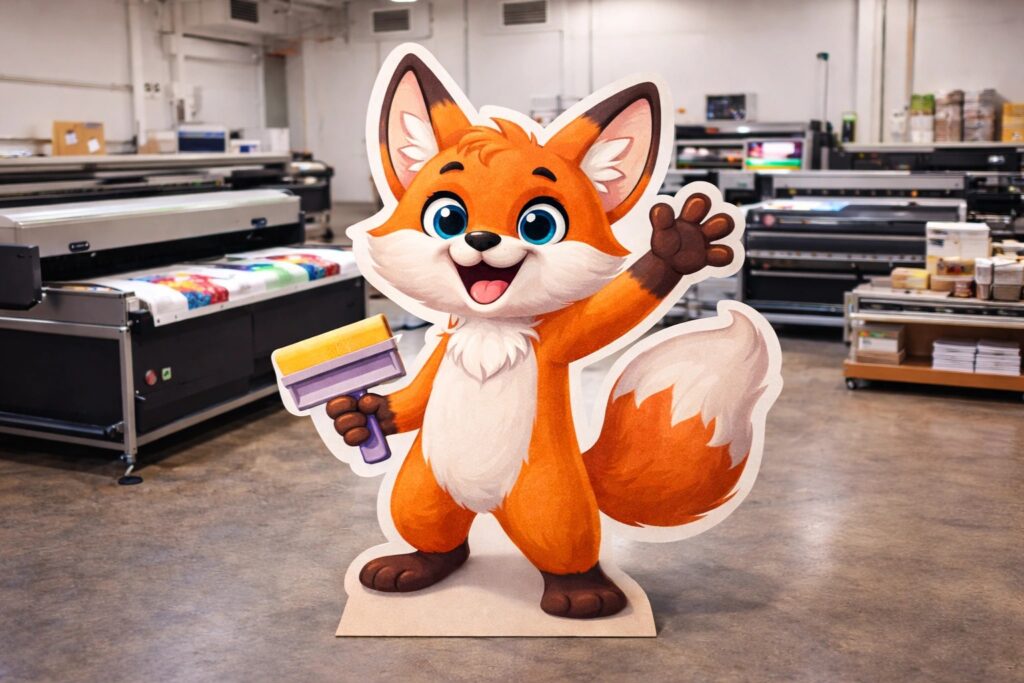
A cardboard photo cutout takes this concept further by removing unnecessary background and focusing attention on the subject itself. This sharp visual separation increases clarity and impact, especially in busy environments where distractions compete for attention.
People connect more easily with imagery that mirrors real proportions. Full-height photographs trigger recognition and familiarity, even when the subject is not personally known. Faces appear more expressive, posture feels more natural, and details register more clearly.
This effect is why standing photo displays are often used to represent people, teams or characters. When printed at life scale, the image feels closer to an encounter than a picture. That emotional proximity strengthens memory and engagement.
Material choice directly affects how a tall display performs. Rigidity, finish and edge quality all contribute to perception. Thin or flexible materials undermine presence by appearing temporary or unstable.
High-quality boards maintain shape and resist warping, preserving vertical alignment over time. Finishes influence light reflection, with matte surfaces reducing glare and supporting consistent colour across varying lighting conditions.
When producing a cardboard photo cutout, precision cutting and stable bases are essential. Clean contours reinforce professionalism, while solid support ensures the display remains upright and confident throughout use.
Tall printed photos interact with light differently than wall-mounted prints. Shadows, highlights and contrast shift as viewers move around them. This dynamic interaction adds realism but also requires careful preparation.
Balanced tones and controlled contrast prevent loss of detail under spotlights or ambient lighting. Displays positioned near entrances or open spaces benefit from neutral colour treatment that adapts to changing light throughout the day.
Professional environments often consider these factors carefully. For example, businesses responsible for climate-controlled interiors, such as air conditioning companies, understand how lighting, airflow and temperature affect materials and visual comfort within commercial spaces. This awareness extends to how displays are positioned and maintained.
Tall printed photo displays appear across a wide range of environments, each using height for different purposes.
Common applications include:
In commercial buildings where interior conditions are carefully managed, such as offices, showrooms and hospitality venues, standing displays remain stable and visually consistent over extended periods.
| Display Format | Visual Impact | Best Use Case |
| Wall-mounted print | Low to medium | Decorative settings |
| Freestanding board | Medium | Informational displays |
| Cutout display | High | Engagement and presence |
| Modular structure | Variable | Reusable exhibitions |
Each format serves a purpose, but height combined with independence consistently produces stronger engagement.
Tall displays are often reused across multiple events or locations. Durability becomes as important as appearance. Quality inks resist fading, while rigid materials reduce damage during transport.
A well-produced cardboard photo cutout can remain visually effective over repeated use if stored flat, protected at the edges and kept in controlled environments. This longevity supports consistency while reducing replacement costs.
Standing imagery communicates confidence. It suggests commitment, preparation and investment. Organisations that use tall printed photos signal that they value presentation and understand how physical space influences perception.
This principle applies across industries. From retail brands to service providers, including those operating in technical environments like climate control and building services, visual clarity reinforces trust. When imagery stands tall, it mirrors the authority the organisation aims to project.
Printed photos feel more powerful when they stand tall because height transforms images into physical experiences rather than passive visuals. Scale draws attention, while solid materials and presence create a stronger emotional connection and visual authority. Unlike flat prints that blend into their surroundings, tall displays interact with space and movement, making imagery feel more real and engaging. When vertical formats are used thoughtfully, organisations can elevate simple photographs into memorable visual elements that influence how spaces are experienced and remembered by audiences.
© 2026 Point of Sale Printers. All Rights Reserved.